As an Amazon Associate I earn from qualifying purchases. We also participate in other affiliate programs.

← Back to Blog

How to Read a Pet Food Label Like a Vet Would

Published July 30, 2026 · Updated August 4, 2026

How to Read a Pet Food Label Like a Vet Would

Pet food packaging is designed to sell, not necessarily to inform — which means the marketing claims on the front ("natural," "grain-free," "premium") often matter far less than the fine print most owners skip past. Here's how to actually evaluate what's in the bag.

Ingredients Are Listed by Weight — Including Water Weight

Ingredients on a pet food label are listed in order of weight before processing, which creates a common misunderstanding: a fresh meat listed first sounds great, but fresh meat contains a lot of water weight. Once processed and that water is removed, it may actually contribute less to the final food than a "second place" ingredient like a meat meal (which is already dehydrated and often more protein-dense pound for pound). This isn't a red flag — it's just important context for comparing products fairly.

"Byproduct" Isn't Automatically a Bad Word

This is one of the most common misconceptions in pet nutrition. Byproducts often include organ meats like liver, kidney, and lungs — which are genuinely nutrient-dense and, in the wild, are parts of prey animals that carnivores eat first. A named byproduct (e.g., "chicken byproduct meal") is a normal, often nutritious ingredient — it's a completely different situation from a vague, unnamed "meat byproduct," where the source species isn't specified.

Check the Guaranteed Analysis, Not Just Marketing Claims

This section lists minimum/maximum percentages for crude protein, fat, fiber, and moisture. It's useful for comparing products, but keep in mind these are guaranteed minimums or maximums, not exact values — and wet vs. dry food percentages aren't directly comparable without adjusting for moisture content first.

Look for the Nutritional Adequacy Statement

Somewhere on the label (often in small print) should be a statement confirming the food is "complete and balanced" for a specific life stage — such as "growth," "maintenance," or "all life stages." This single line matters more than most front-of-bag marketing, because it tells you whether the food is actually formulated to meet complete nutritional needs, or whether it's intended only as a treat or supplemental feeding.

"Grain-Free" Isn't Automatically Healthier

Grain-free diets became a major trend based partly on the assumption that grains are inherently poor ingredients for dogs and cats — but there isn't strong evidence that healthy pets need to avoid grains. In fact, there has been ongoing veterinary research and FDA investigation into a possible link between certain grain-free diets (particularly those high in legumes as a substitute) and a heart condition called dilated cardiomyopathy (DCM) in some dogs. The research is still evolving and not fully conclusive, but it's a good example of why a trendy label claim shouldn't replace an actual conversation with your vet, especially if your pet has a specific health condition.

Calories Per Cup Matter for Portioning

Feeding guidelines on the bag are a starting point, not a strict rule — they're based on averages that don't account for your specific pet's metabolism, activity level, and body condition. Checking the calorie content per cup (usually listed on the label or the manufacturer's website) makes it much easier to adjust portions accurately if your vet recommends a specific daily calorie target.

The Bottom Line

The most useful label-reading habit isn't memorizing which ingredients are "good" or "bad" — it's understanding what each section is actually telling you, so marketing language stops driving the decision instead of your pet's actual nutritional needs.

🛒 Products That Can Help

Explore the products featured in this guide to find the best fit for your pet.

This page contains affiliate links, including Amazon Associates links. If you click through and make a purchase, we may earn a small commission at no extra cost to you. This helps support PetNuzzleHub and allows us to continue creating buying guides and product recommendations.

Nextrition - Beef Dog Food Made with Real Meat & Probiotics For Gut Health.
dogs

Nextrition - Beef Dog Food Made with Real Meat & Probiotics For Gut Health.

Made with real U.S.-sourced beef, this cold-pressed dog food combines high-quality protein with grains, fruits, vegetables, and probiotics to support digestive health. Over 12 lbs of whole, fresh ingredients are gently cold-pressed into every 4.5 lb bag, and for a healthy gut.

A well-crafted recipe made with real beef and quality ingredients. The addition of probiotics and the cold-pressed process make this an appealing choice for pet owners looking for everyday nutrition.

Affiliate Link Check Availability at Store →
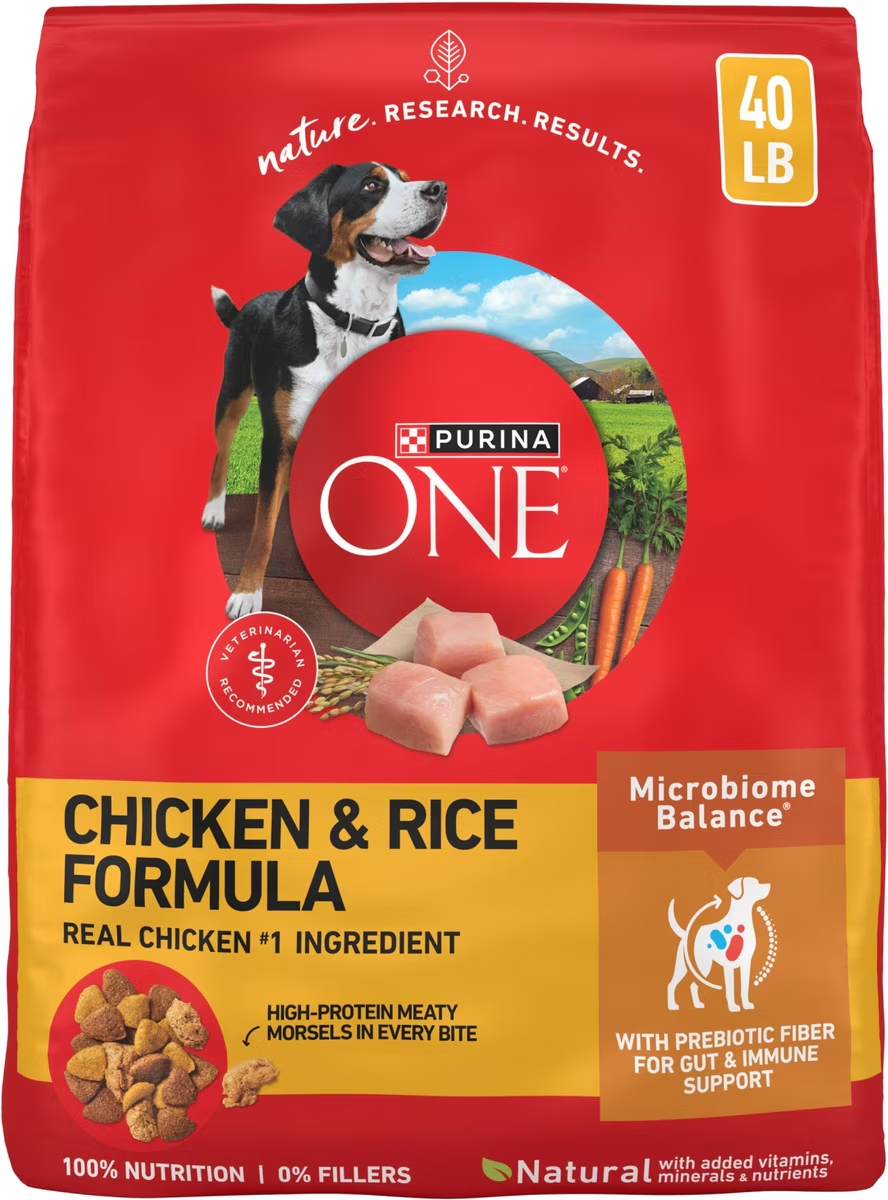
Purina ONE Chicken & Rice Formula High-Protein Dry Dog Food, 40-lb bag
dogs

Purina ONE Chicken & Rice Formula High-Protein Dry Dog Food, 40-lb bag

Real chicken is the first ingredient in this adult dog food featuring protein-rich, tender, meaty morsels and crunchy kibble for a taste dogs love. Includes four antioxidant sources for immune support, while natural sources of glucosamine help to support healthy joints. Purina ONE dry dog food, including omega-6 fatty acids, vitamins and minerals, helps to support your pup’s healthy skin and coat.

This formula combines real chicken, crunchy kibble, and tender meaty morsels to create a meal that offers both nutrition and variety in every bite. With added antioxidants, glucosamine, and skin-supporting nutrients, it's a well-rounded choice for pet owners looking for complete daily nutrition with ingredients that support overall health.

Affiliate Link View Price on Amazon →
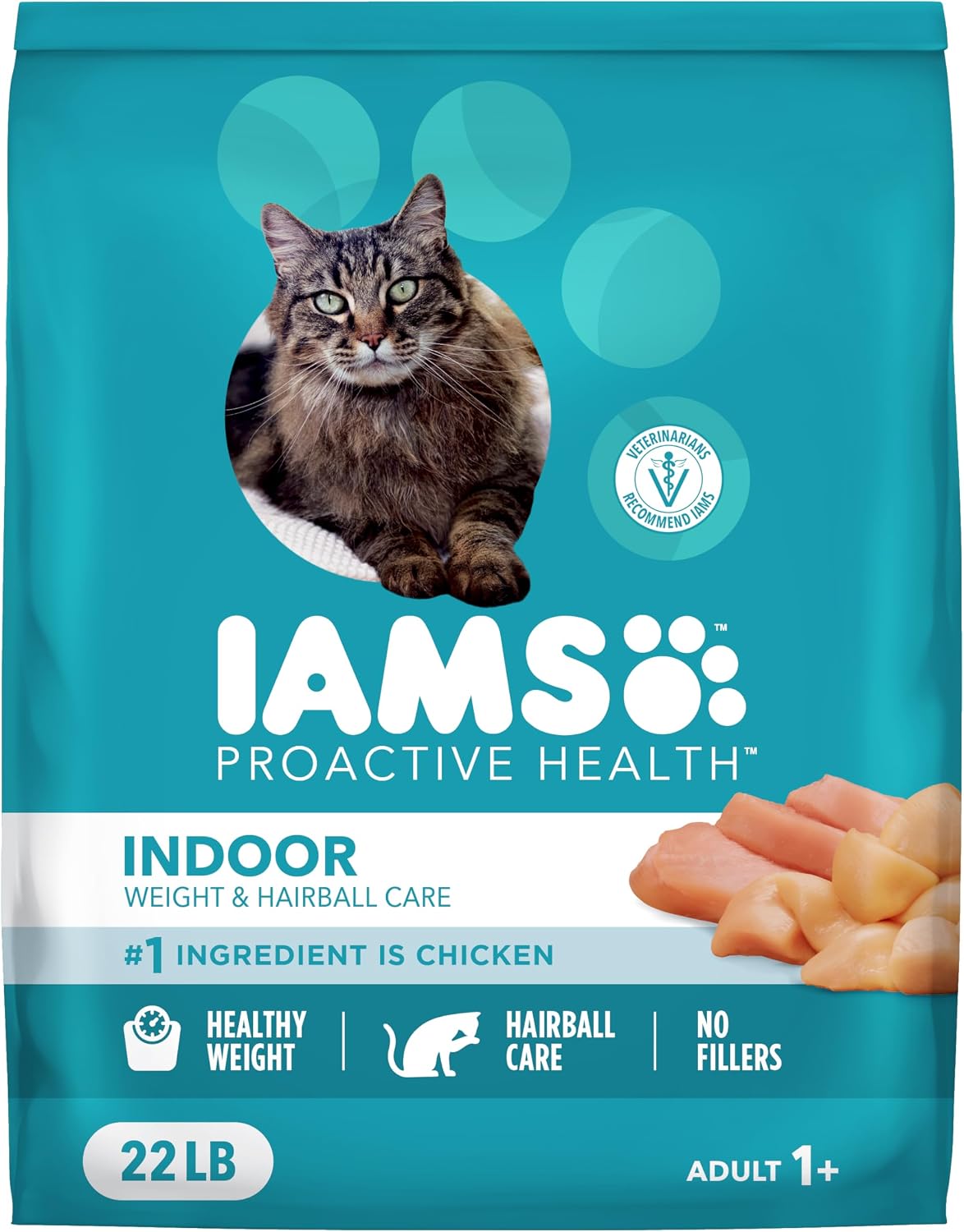
IAMS Proactive Health Indoor Dry Cat Food, Chicken, 22 lb – Real Chicken #1 Ingredient, Hairball Control & Prebiotics
cats

IAMS Proactive Health Indoor Dry Cat Food, Chicken, 22 lb – Real Chicken #1 Ingredient, Hairball Control & Prebiotics

IAMS Proactive Health Indoor Dry Cat Food is a recipe with real chicken as the #1 ingredient. It features a proprietary fiber blend with beet pulp to help reduce hairballs and a tailored mix of natural fiber and prebiotics for healthy digestion. The formula is scientifically designed to support whole-body health and includes high-quality protein sources to help maintain a healthy, active body.

This indoor formula focuses on practical daily needs: real chicken as the main protein, plus fiber and prebiotics that target digestion and hairball reduction. It’s a solid everyday option for indoor cats when you want complete nutrition without unnecessary extras.

Affiliate Link View Price on Amazon →
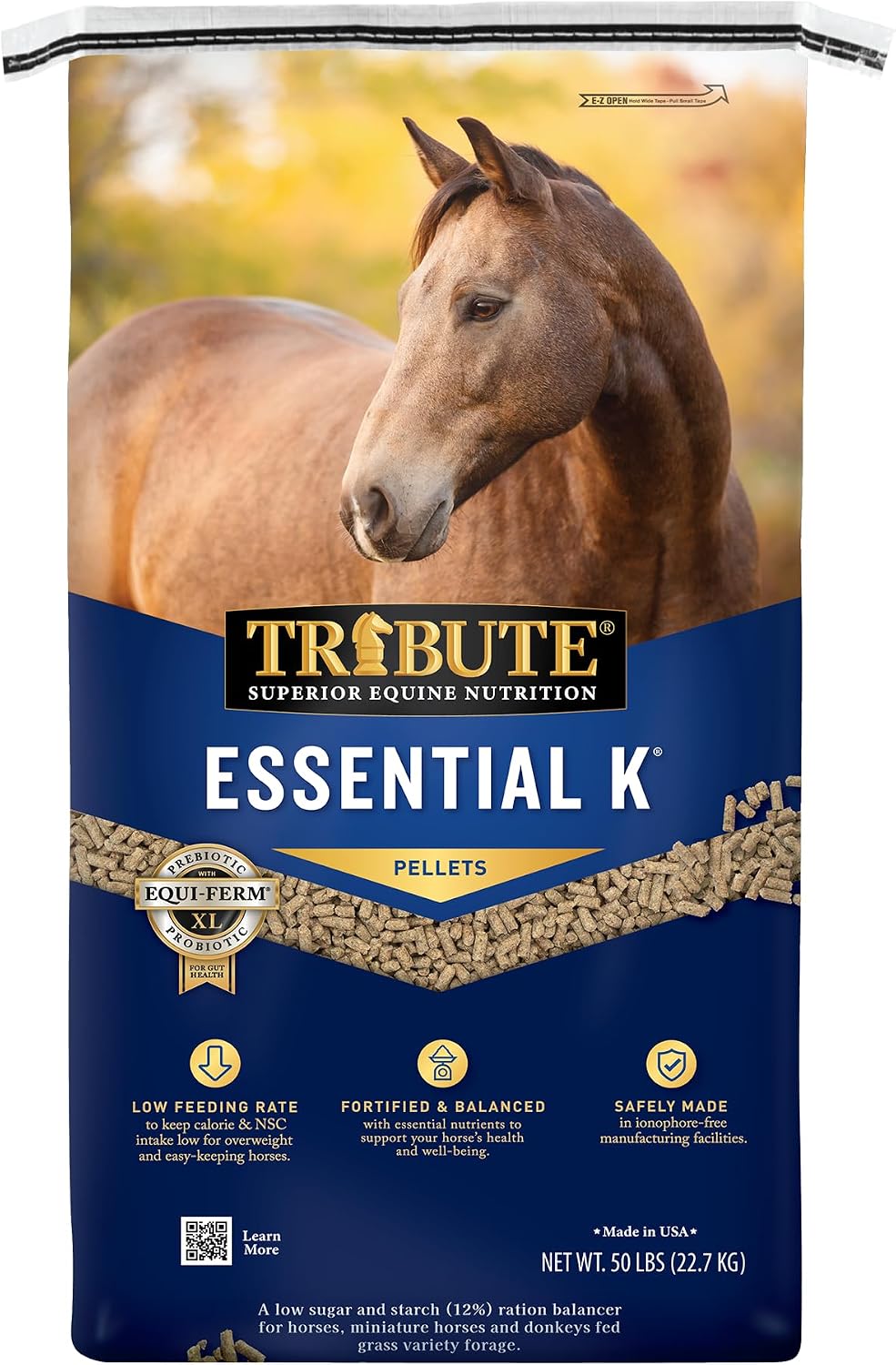
Tribute Equine Nutrition Essential K Low-NSC Horse Feed, 50-lb bag
other-animals

Tribute Equine Nutrition Essential K Low-NSC Horse Feed, 50-lb bag

Support your horse's metabolic health with Tribute Equine Nutrition Essential K. This low-NSC feed features a dense nutrient concentration that delivers essential amino acids for growth and muscle maintenance at a low feeding rate. Ideal for horses with metabolic conditions, it provides balanced nutrition without excess calories. The formula includes EquiFerm XL, a microencapsulated active dry yeast that acts as both a prebiotic and probiotic, enhancing total diet digestibility and promoting optimal gut health. An economical choice for meeting your horse's critical nutritional needs.

You can incorporate Essential K into your horse's daily ration and support their metabolic health effectively. Its low feeding rate and concentrated nutrients make it cost-efficient while promoting muscle maintenance and digestive wellness. A smart choice for horses with special dietary requirements.

Affiliate Link View Price on Amazon →

Enjoyed this article?

Get more pet care guides and honest recommendations straight to your inbox.

This article may contain affiliate links. Read our Affiliate Disclosure for details.