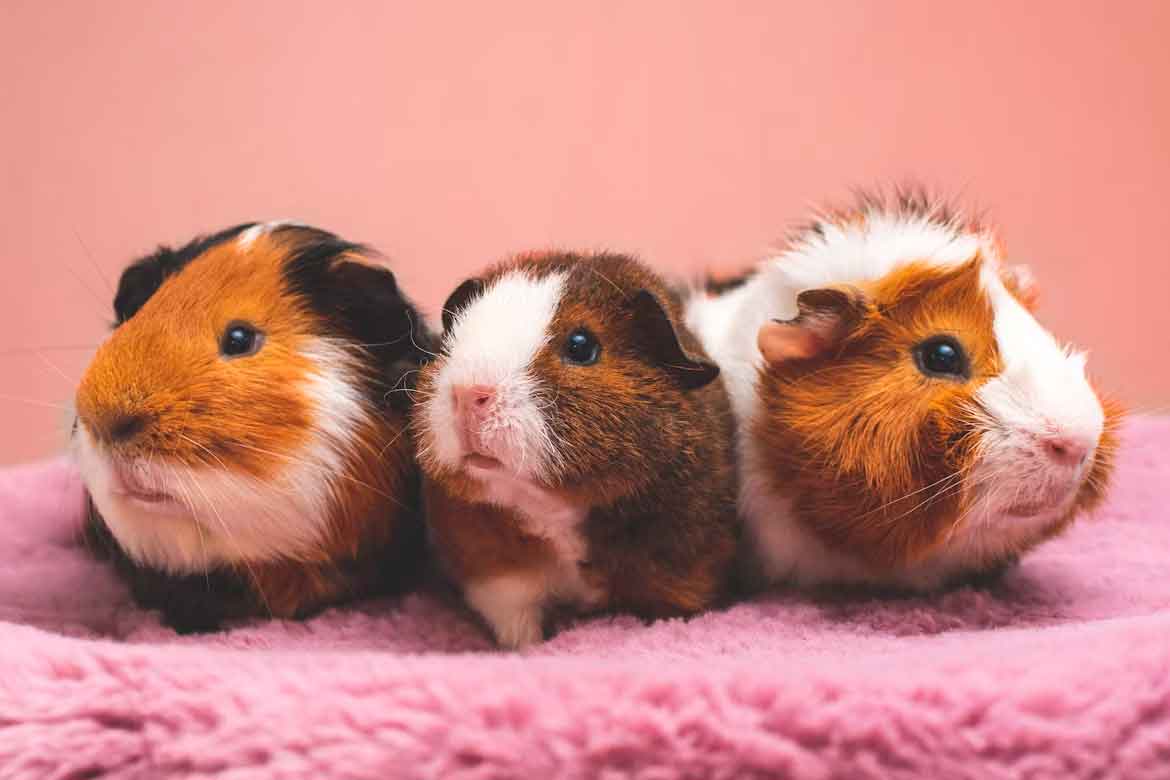
Both are common "starter pets," but hamsters and guinea pigs are actually quite different animals with different care needs — and the right fit depends a lot on your household, not just which one looks cuter in the store.
Social Needs: This Is the Biggest Difference
Guinea pigs are genuinely social animals that generally do better living with a bonded companion of the same sex, and they tend to enjoy interaction with their owners more consistently than hamsters do.
Hamsters — especially Syrian hamsters — are largely solitary and territorial as adults. Housing two Syrian hamsters together typically leads to fighting, sometimes seriously, once they mature. (Some dwarf hamster species can sometimes tolerate same-sex pairs if introduced young, but this is species-dependent and not guaranteed.)
Activity Schedule: Nocturnal vs. More Flexible
Hamsters are strongly nocturnal, meaning they're most active at night — which can be a mismatch if you were hoping for a pet to interact with during the day, or if their cage is in a bedroom (wheel noise at 2 AM is a common hamster-owner complaint).
Guinea pigs are more flexible, often active during the day and more likely to be awake and interactive when you are.
Space Requirements Are Very Different
Guinea pigs need considerably more cage space than hamsters — enough room to move around, plus hiding spots, and ideally enough space for a companion guinea pig. Many pet-store-sold "starter cages" are undersized for guinea pigs specifically. Hamsters need less overall floor space, but still benefit from as large a cage as reasonably possible, with room for a large exercise wheel.
Handling and Kid-Friendliness
Guinea pigs are generally more tolerant of gentle handling and tend to be a better fit for households with younger children, though supervision still matters. Hamsters can bite, especially if startled awake (given their nocturnal nature) or handled roughly — Syrian hamsters in particular have a reputation for nipping when surprised.
Diet Has One Critical Difference
Guinea pigs cannot produce their own vitamin C and require a diet that specifically accounts for this (fortified pellets and vitamin-C-rich vegetables) — a deficiency can cause serious health issues. Hamsters don't have this same requirement, though both need a diet appropriate to their species rather than one being substituted for the other.
Lifespan: A Bigger Commitment Than People Expect for Guinea Pigs
Hamsters typically live around 2-3 years. Guinea pigs often live 5-7 years — a meaningfully longer commitment that's worth factoring in, especially for a first pet chosen for a child.
Quick Summary
- Choose a hamster if: you want a smaller footprint, are fine with a nocturnal schedule, and don't mind a more solitary, independent pet
- Choose a guinea pig if: you want more daytime interaction, can provide more space (ideally for a pair), and are ready for a longer commitment